
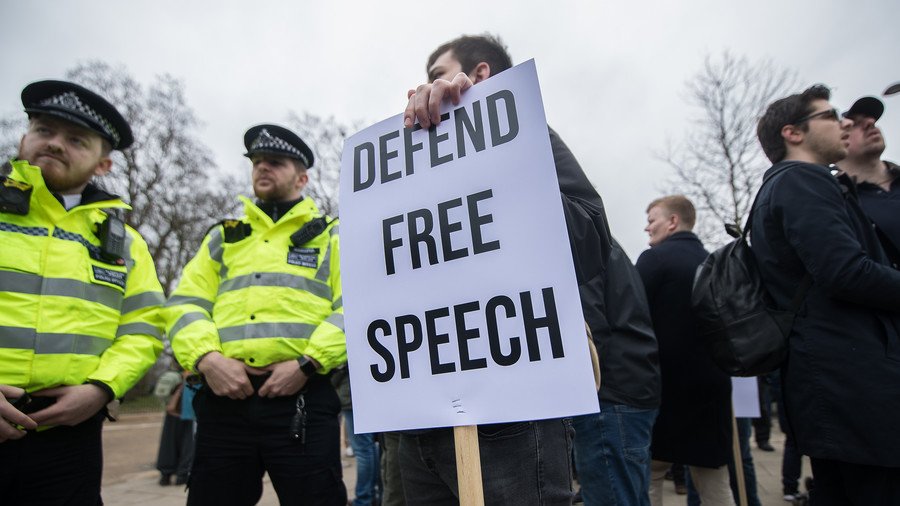
In recent years, there has been a troubling trend in policing that has little to do with protecting the public from genuine threats and more to do with shaping statistics to suit political and institutional narratives. Across the UK and beyond, police forces are increasingly turning to so-called “free speech crimes” – like malicious communication, grossly offensive messages, or non-crime hate incidents – to bolster their detection figures while diverting valuable resources from tackling real crime.
The Allure of Easy Wins
In a policing environment driven by targets, key performance indicators (KPIs), and constant media scrutiny, detection rates matter. Politicians demand visible results. The public expects progress. And so, the temptation arises: why chase down complex, high-harm offenders when you can boost your detection numbers by criminalizing tweets and Facebook posts?
Malicious communication is the perfect low-hanging fruit. It usually involves digital evidence – already recorded, time-stamped, and easily attributable. There’s no need for forensic teams, surveillance, or protracted investigations. One officer, one computer, one “offensive” post – case closed.
Every solved “crime” goes onto the stats sheet, giving the appearance that the force is performing well. But appearances can be deceiving.
The Hidden Cost: Real Crime, Ignored
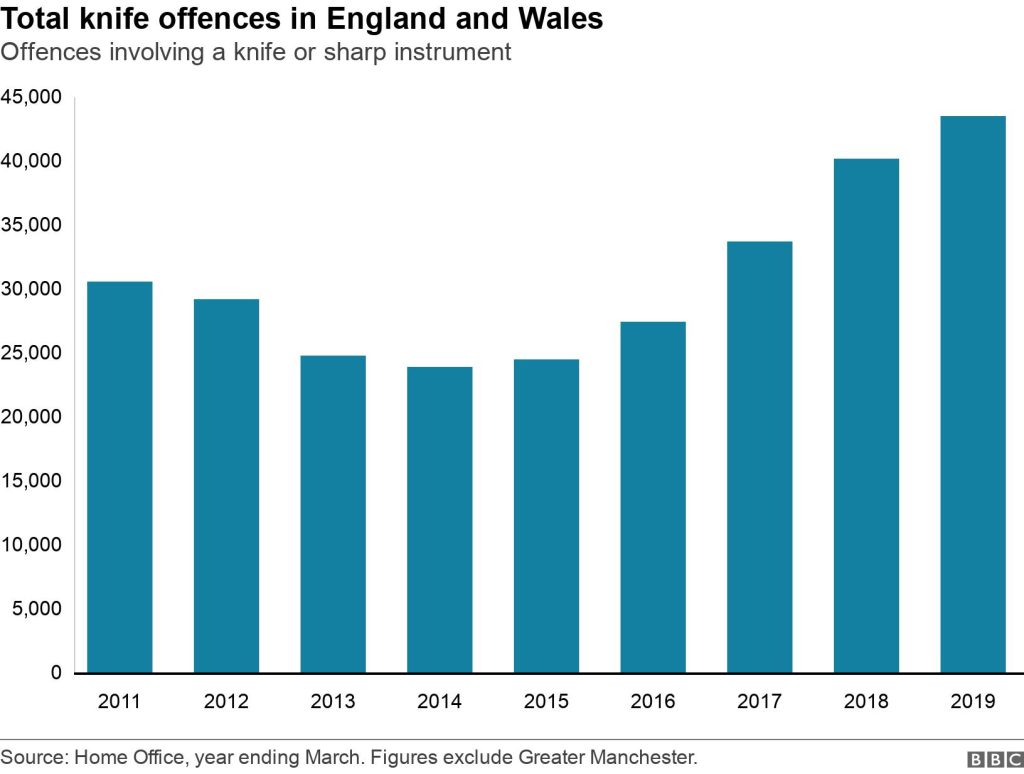
While online speech is policed with increasing vigor, victims of burglary, assault, and sexual violence are often left waiting – or worse, ignored entirely. Many report crimes only to receive a text message saying there will be no further action due to “lack of evidence” or “no viable leads.” Yet, the same forces will spend hours investigating whether someone called a politician a name on Twitter.
There’s a deep injustice in this misallocation of resources. It erodes public trust. It sends a clear message: if you’re a victim of a physical crime, you might be out of luck – but if you say something someone doesn’t like online, the full weight of the law could come crashing down on you.
From Policing Crime to Policing Feelings
Worse still, these speech-related offences often enter murky territory, where subjectivity reigns. “Malicious” or “grossly offensive” can mean wildly different things to different people. What’s critical satire to one person might be hate speech to another. In some cases, simply misgendering someone or sharing a politically incorrect meme has led to police visits.
This isn’t just bad policing – it’s an abuse of authority. It’s an attempt to criminalize speech and regulate thought, not based on objective harm but on perceived emotional injury. And it does so under the guise of performance metrics and crime detection targets.
A Culture of Compliance Over Justice
Many of these cases never even go to court. Police issue warnings, cautions, or simply record incidents as “solved” when the accused agrees to stop posting or delete content. No trial. No scrutiny. But another tick on the spreadsheet. Another “detection.” Another hollow victory.
This culture prioritizes compliance over justice – where the system’s primary goal is not public safety, but institutional optics.

The Way Forward
If policing is to regain legitimacy, it must return to its foundational principles: protecting life and property, serving communities, and upholding real justice. That means:
• Reprioritizing resources toward crimes that cause genuine harm – violence, theft, abuse.
• Rejecting performance targets that incentivize low-effort prosecutions of trivial or subjective offences.
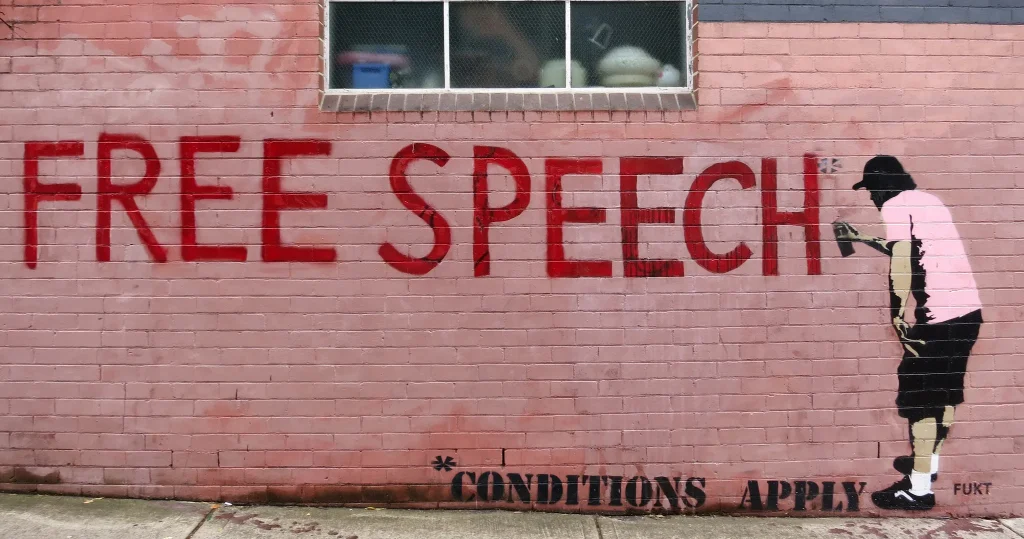
• Protecting freedom of expression, even when it’s uncomfortable or controversial.
• Being transparent about how crime statistics are generated and what they actually represent.
Until then, the public will remain increasingly skeptical of a system that seems more interested in policing words than solving crimes.

Russell Hicks
Great writing, will anyone listen?