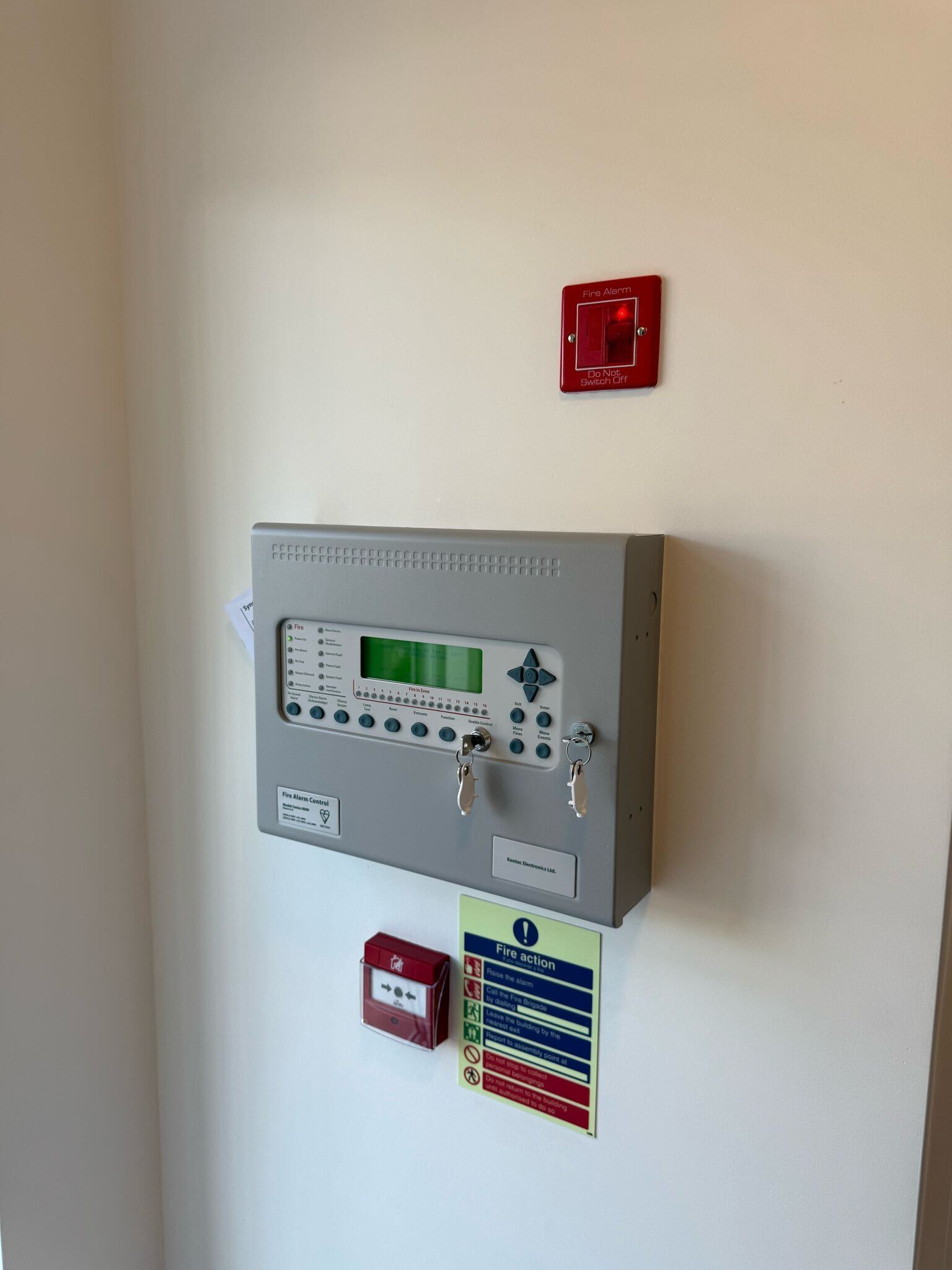
Fire alarm systems are a critical component of any building’s safety infrastructure. Whether in residential homes, commercial spaces, or industrial facilities, these systems serve as an essential first line of defense against fire hazards. Investing in a reliable fire alarm system is not just a matter of precaution—it is a legal requirement, a vital safety measure, and a practical necessity for property protection.
Legal Compliance and Regulations
Fire safety laws mandate that all commercial and multi-occupancy residential properties must have properly installed and maintained fire alarm systems. In the UK, the Regulatory Reform (Fire Safety) Order 2005 requires businesses to conduct fire risk assessments and implement appropriate safety measures, including functional fire alarm systems. Failure to comply with these regulations can result in legal penalties, fines, or even imprisonment in severe cases.
Additionally, landlords are legally obligated to provide tenants with working smoke and fire detection systems under the Smoke and Carbon Monoxide Alarm (England) Regulations 2015. Neglecting fire alarm maintenance can lead to serious legal consequences and liability in the event of a fire.
Protecting Lives and Reducing Risks
A well-maintained fire alarm system significantly reduces the risk of injury or death. Fires can spread rapidly, leaving little time for occupants to react. Early detection through smoke detectors and alarm systems provides crucial seconds or minutes for evacuation, potentially saving lives.
In commercial buildings, where a fire could affect hundreds of people at once, fire alarm systems play an even more vital role. Advanced alarms can be integrated with emergency lighting, sprinkler systems, and automatic fire suppression to enhance safety measures and reduce fire damage.
Protecting Property and Minimizing Losses
Fires cause immense financial losses, not only in terms of physical damage but also through business disruption. A fire alarm system helps detect threats early, allowing quicker responses from fire services and reducing the extent of destruction. Insurance providers often require businesses to have fire alarms installed as part of their coverage conditions, and properties with well-maintained systems may qualify for reduced insurance premiums.
Common Sense Approach to Fire Safety
Beyond legal and financial factors, fire alarms are a practical necessity for any responsible property owner. Fire hazards can arise from everyday activities, such as cooking, electrical malfunctions, or heating systems. Having a fire alarm system in place ensures that even the smallest incidents are detected before they escalate into major disasters.
Regular maintenance and testing of fire alarms further enhance their effectiveness. Simple steps, such as checking batteries and ensuring alarms are not obstructed, can make a significant difference in preventing false alarms and ensuring proper functionality.
Conclusion
Fire alarm systems are not just an optional safety feature—they are a legal requirement, a life-saving tool, and a sound financial investment. Whether you own a business, manage a residential property, or simply want to protect your home and family, installing and maintaining a fire alarm system is a responsible and necessary step. By ensuring compliance with legal standards, prioritizing safety, and adopting a practical approach to fire prevention, you can safeguard lives and assets effectively.
